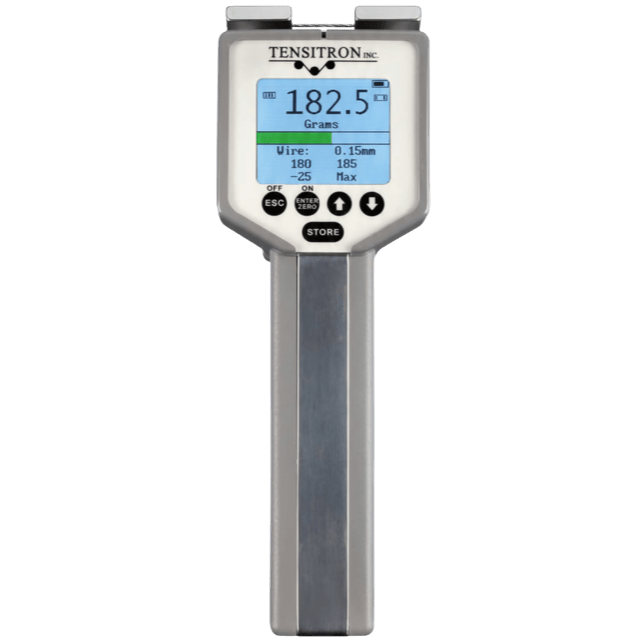
Tension is the pulling force carried by moving material during production.
Unlike installed cable systems, manufacturing tension exists while material is moving through a process.
That means tension becomes a live process variable — not simply a final inspection measurement.
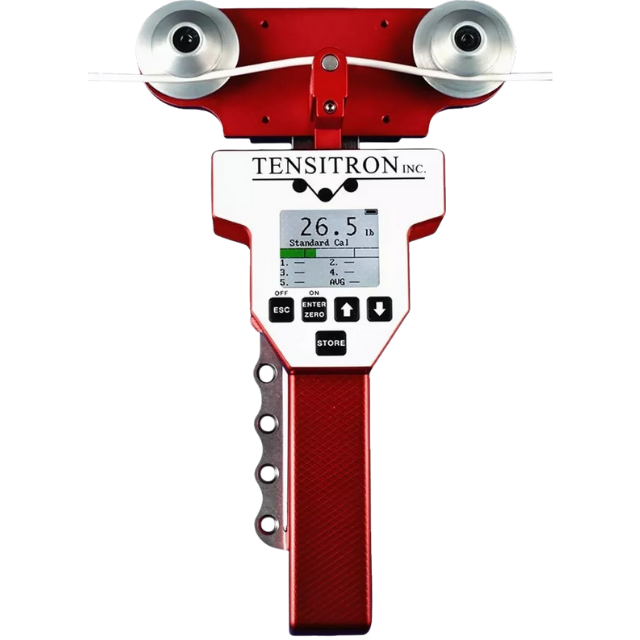
In wire drawing, tension affects elongation and diameter consistency.
In winding operations, tension controls layer formation and pack density.
In fiber and medical manufacturing, even small tension changes can alter dimensional performance.
Stable tension reduces breakage, scrap, and production variation while improving repeatability.
Manufacturing tension should be measured, controlled, and verified — not estimated.

Too much tension causes necking and breakage.
Too little causes instability and dimensional drift.

Uneven tension changes geometry and conductor performance.

Stable tension improves winding quality and throughput.

Controlled line tension improves consistency.
Process instability is often a tension problem before it becomes a quality problem.
Small materials amplify tension error. At micro-scale dimensions, small force variation becomes a measurable change in quality, yield, and process stability.
Stable tension supports dimensional control and process repeatability.

Controlled tension helps reduce variation during production.
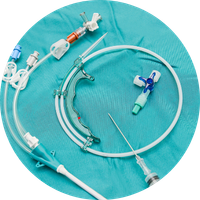
Consistent tension supports uniform structure and repeatability.

Small process changes become large production variation.

Controlled tension improves yield and process stability.
At this scale, breakage and variation often originate from uncontrolled tension rather than material defects.
When to Use a Transducer
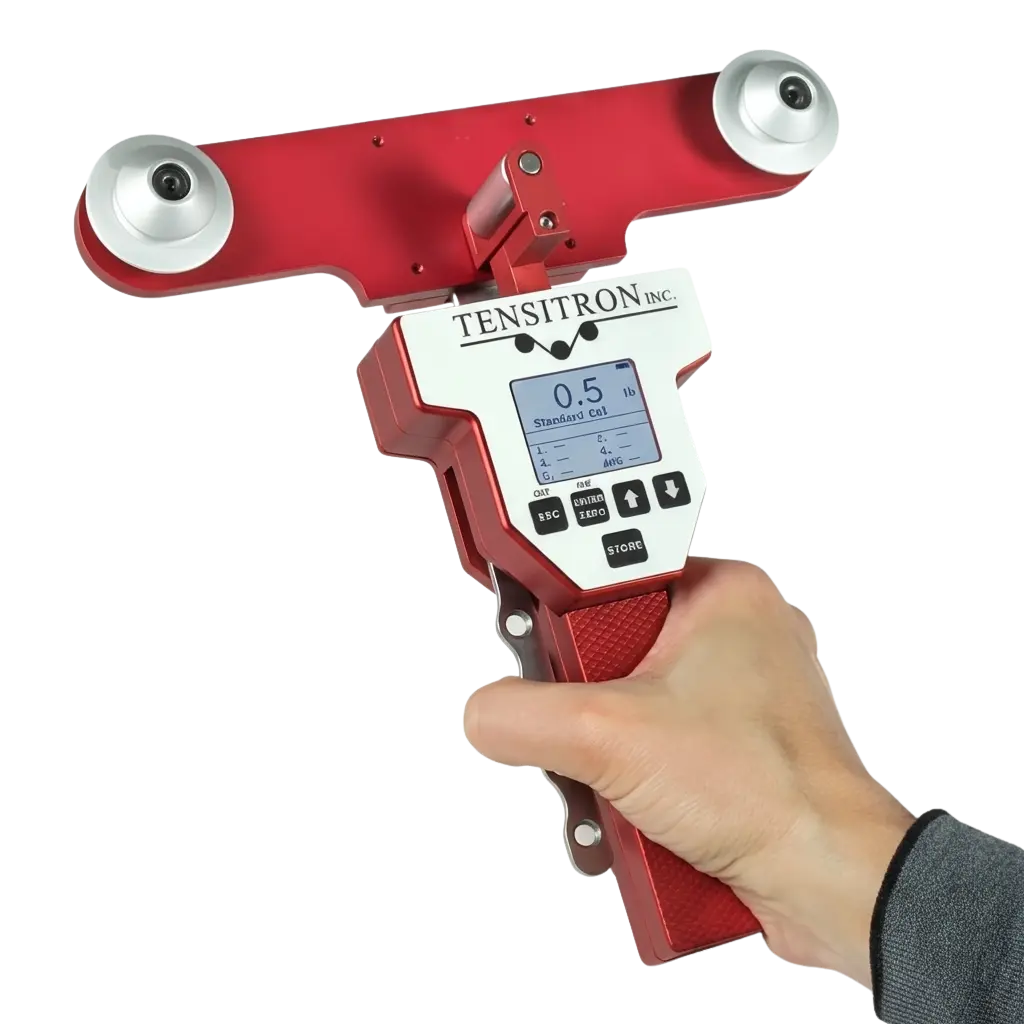
Portable verification
Setup validation
Operator inspection
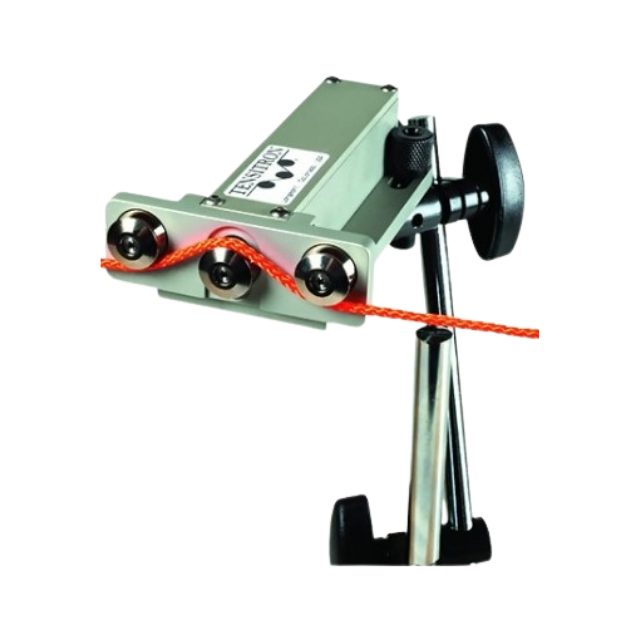
Continuous monitoring
Closed-loop control
Automated production

Repeated interruptions during production.
Variation outside dimensional targets.
Poor layer formation and instability.
Different output between runs.
Unplanned stops and reduced throughput.
Uncontrolled tension variation.
When production variation appears random, tension is often the hidden variable.