Measurement drift happens gradually and often goes unnoticed until it appears as scrap, quality issues, failed audits, or inconsistent results.
Routine calibration closes the gap. Calibration confirms that an instrument still performs within published accuracy, documents the result, and restores performance when drift occurs. For most operations, scheduled calibration is one of the lowest-cost forms of quality insurance available.
Start a calibration request →Not all calibration is equal. The difference between a calibration you can defend and a sticker that simply says “calibrated” comes down to traceability and laboratory accreditation.
NIST traceability means the reference standards used to calibrate your instrument are linked through a documented and unbroken chain of comparisons back to national standards maintained by the National Institute of Standards and Technology. That chain provides evidence that your measurements remain accurate, repeatable, and defensible.
NIST traceability covers the standards used. ISO/IEC 17025 accreditation confirms that the laboratory itself has been independently assessed for calibration methods, technician competence, equipment, environment, and quality controls. It is the difference between using good standards and proving calibration is performed correctly.
Why this matters Tensitron performs ISO/IEC 17025 calibration in-house on the instruments it manufactures, reducing turnaround time and maintaining tighter control over calibration quality.
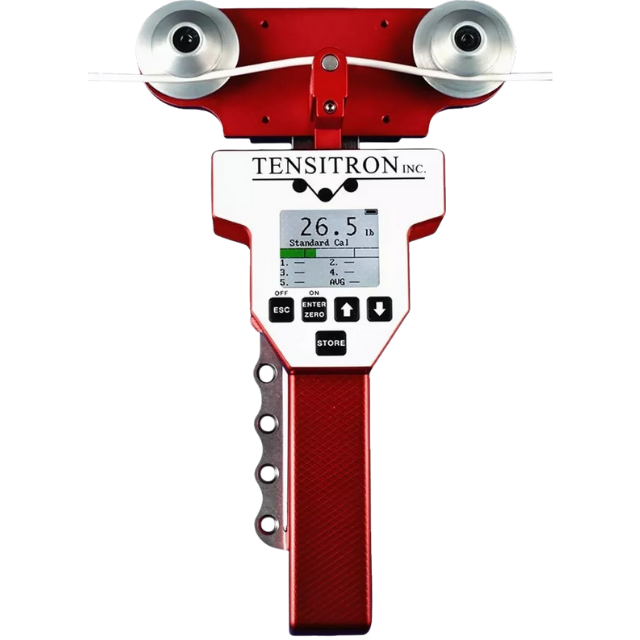
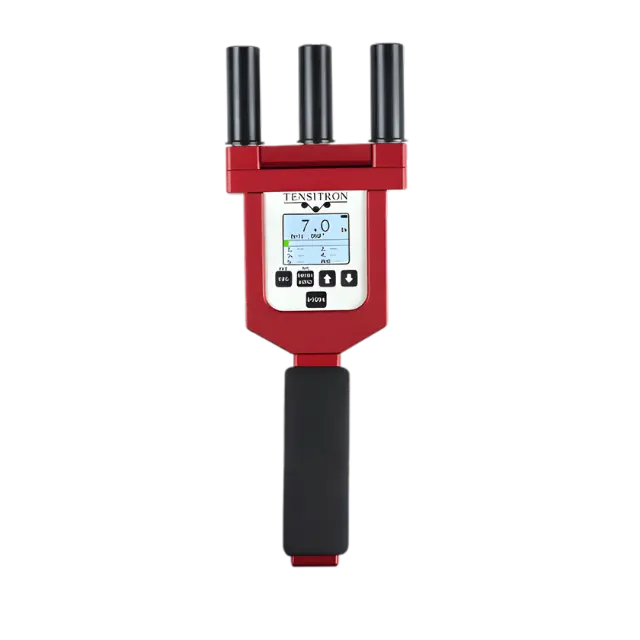
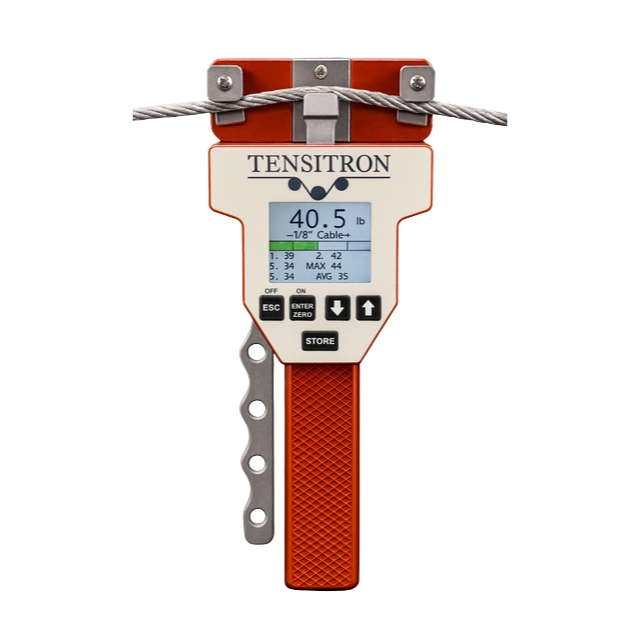
Tensitron calibrates and certifies current products as well as a large installed base of legacy instruments still operating worldwide.
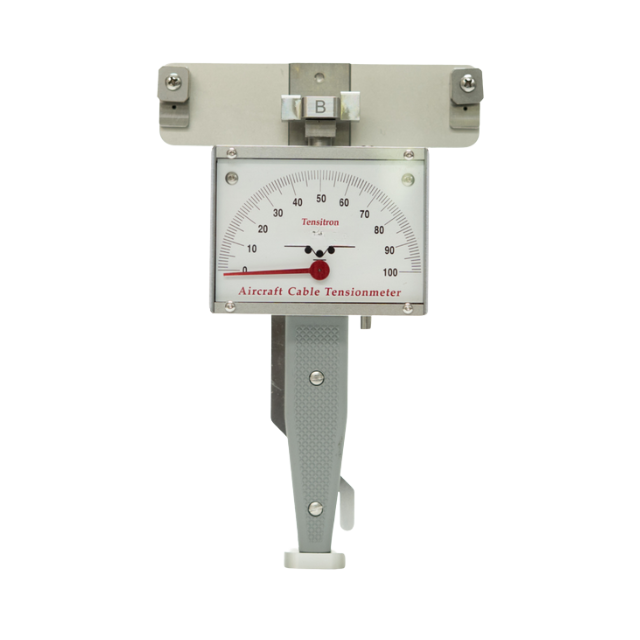
Legacy instruments are often still serviceable. Many Tensitron instruments remain in operation for decades. In most cases, technicians can evaluate, calibrate, and often repair older and discontinued models.
Many instruments that arrive for calibration also benefit from inspection and preventive maintenance. Evaluation helps identify wear before it becomes downtime.
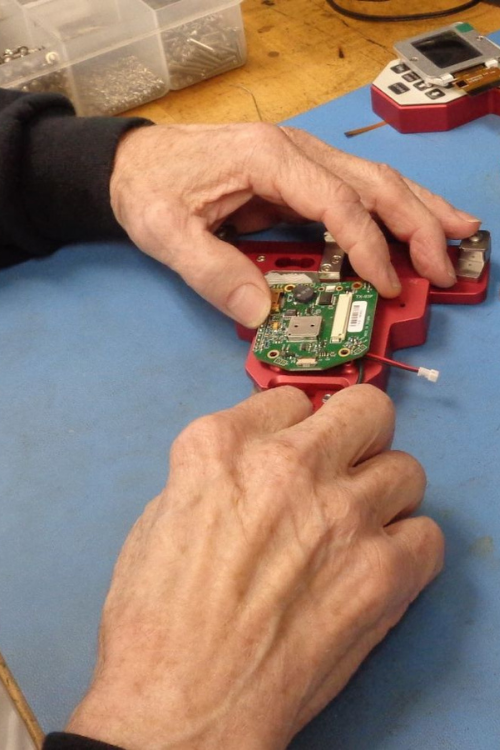
During evaluation, technicians inspect worn components, rollers, contact points, mechanical wear, sensor performance, electronic condition, and display operation. If repair is recommended, the work is quoted for approval before proceeding.
Evaluate wear, alignment, loading surfaces, and critical components.
Repair work is recommended only when performance or reliability can benefit.
No repair proceeds until review and approval are completed.
Calibration and repair work together. Many performance issues are identified during calibration and corrected before they affect production quality or downtime.
Factory expertise, accredited calibration, and a straightforward service process designed to minimize downtime.
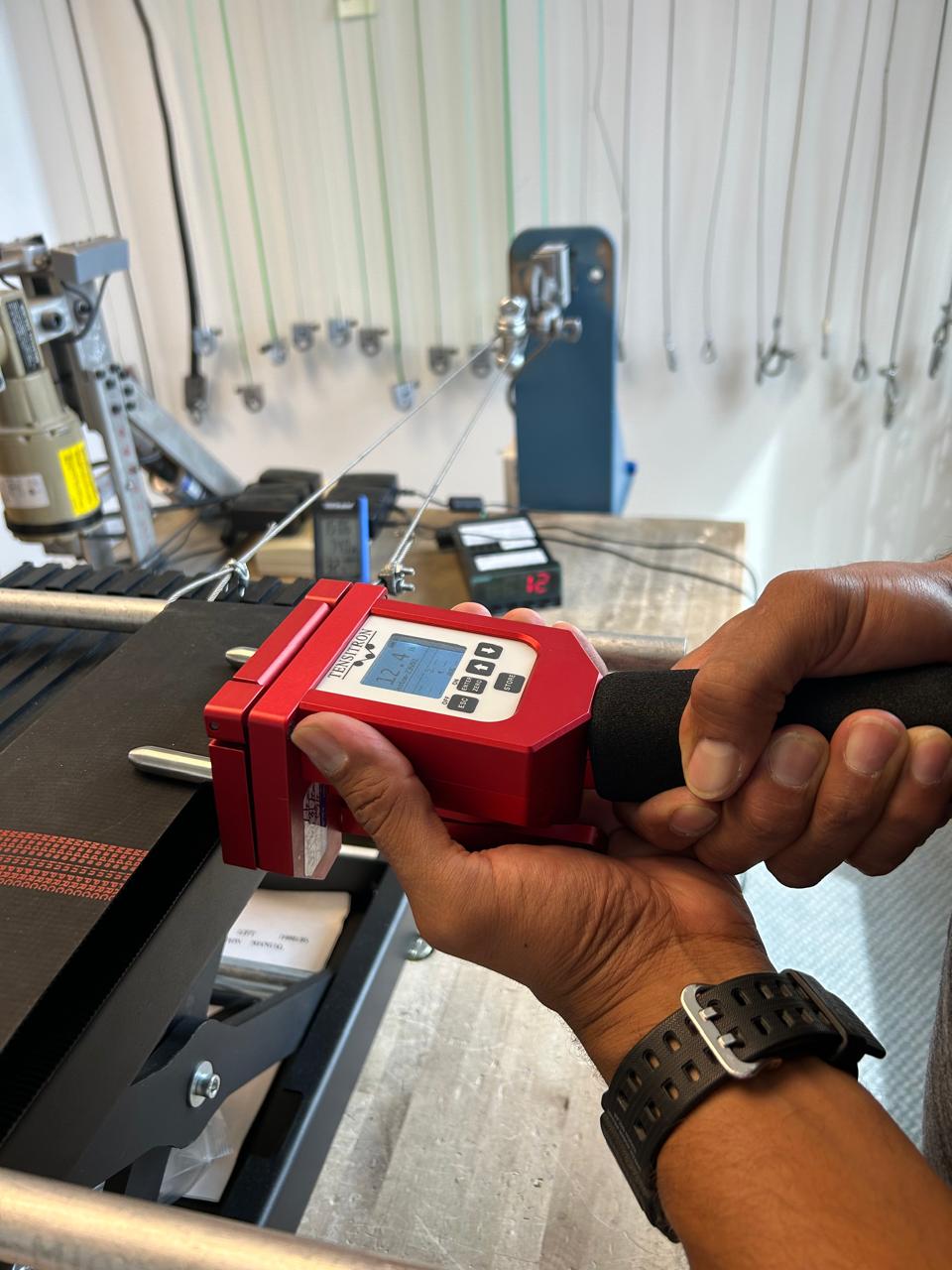
Nobody knows a Tensitron instrument better than the people who design, manufacture, and support it. Calibration is performed by the manufacturer — not by a third party following a generic procedure.
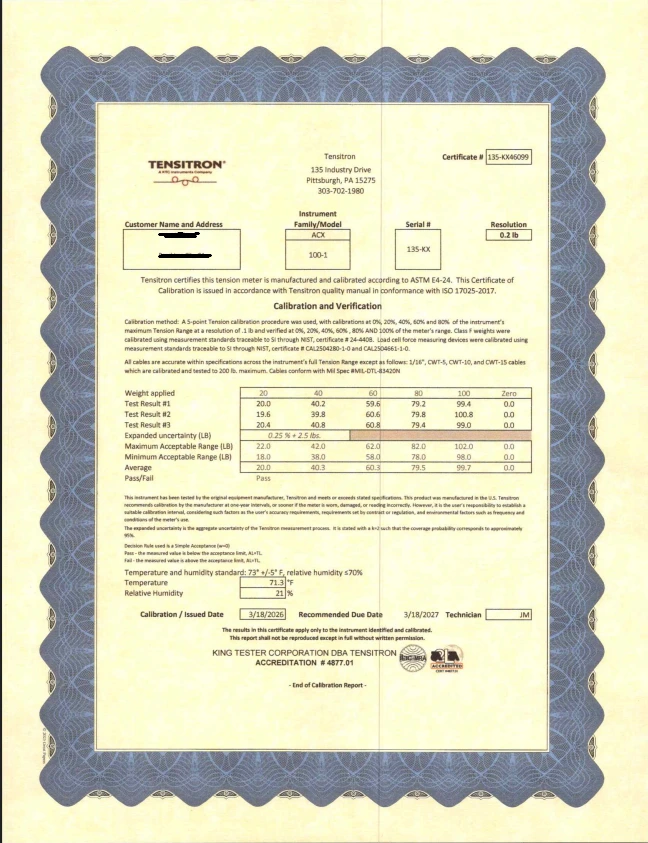
NIST-traceable standards combined with ISO/IEC 17025:2017 accredited calibration performed in-house deliver measurements that remain defensible and repeatable.
Downtime costs production. Service is structured to reduce turnaround time.
Complete the request form and ship the instrument directly.
Nearly a century of tension measurement experience supporting manufacturers worldwide.
The manufacturer advantage. When the company that built the instrument performs calibration, procedures, standards, and evaluation remain aligned with original design intent.
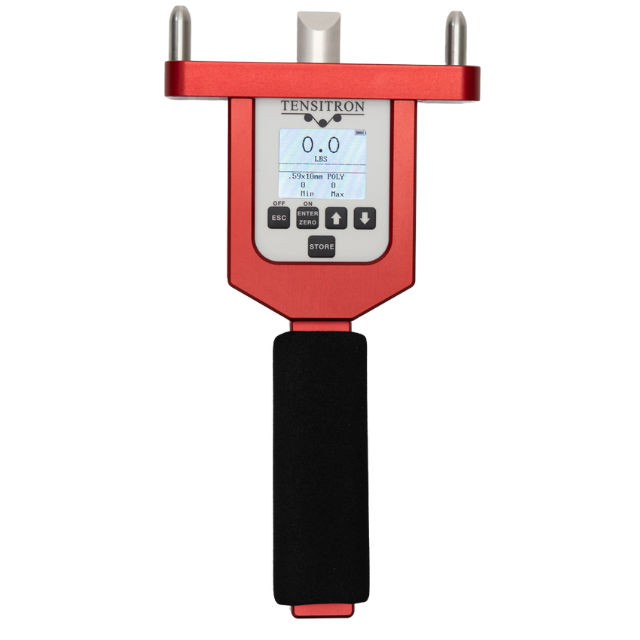
A straightforward process designed to reduce downtime and return your instrument calibrated, documented, and ready for operation.
Complete the calibration request form and provide instrument details.
Send the instrument directly to Tensitron for service.
Inspection and calibration are completed by technicians.
Certificates and calibration records are prepared.
Instrument returns calibrated and ready for operation.
Simple process. Less downtime. Designed to reduce administrative effort and return instruments to production quickly.