Aircraft control cable tension is the controlled pulling force maintained within an aircraft’s cable-driven flight control system. It ensures that pilot input is transferred accurately and consistently from the cockpit controls to the aircraft’s moving control surfaces.
In cable-operated systems, steel cables travel through pulleys, fairleads, and routing assemblies to move components such as ailerons, elevators, rudders, and trim systems. Proper tension keeps those cables stable, responsive, and operating within their intended mechanical range.
When tension is set correctly, control movement feels immediate and predictable. The system remains taut enough to eliminate unnecessary slack while avoiding excessive loading on cables, pulleys, and bearings.
Aircraft cable systems are not adjusted by feel. Every aircraft manufacturer defines acceptable tension values and procedures through maintenance documentation, with target values often varying based on cable size, routing geometry, and ambient temperature.
Because aircraft operate across changing environmental conditions, cable tension becomes more than a maintenance setting—it becomes part of maintaining repeatable flight-control performance.
Incorrect cable tension can create safety risks, increase maintenance costs, and reduce aircraft performance.
Cable tension changes over time due to wear, temperature variation, and environmental conditions. Regular measurement helps detect issues early.
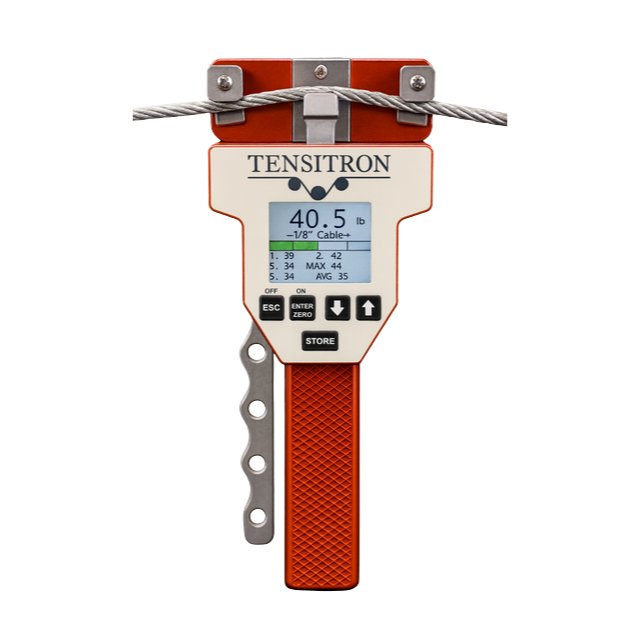
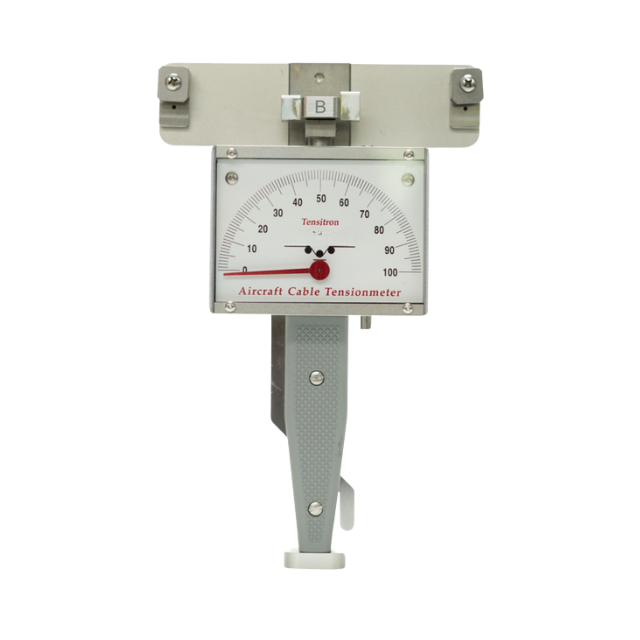
Aircraft cable tension is measured using the 3-point deflection method to verify installed cable tension without disturbing rigging.
Confirm cable size before selecting measurement setup.
Choose the proper riser and calibration setup.
Place meter on an accessible straight run.
Capture several readings and note variation.
Verify readings against maintenance requirements.