Metal Hardness Testing Made Easy

Portable elemental analysis

FAA AC 43.13-1B & Cable Rigging: What the Standard Requires

Aircraft control cable systems play a critical role in transmitting pilot inputs to flight control surfaces. Because these systems rely on precise movement and proper rigging, maintenance procedures must follow approved methods and documented practices.
FAA AC 43.13-1B is widely referenced throughout aviation maintenance as guidance for acceptable methods, techniques, and practices used during aircraft inspection and repair activities. When applied to aircraft cable rigging, the document supports consistent inspection procedures, verification methods, and maintenance practices.

What Is FAA AC 43.13-1B?

FAA Advisory Circular (AC) 43.13-1B provides guidance for performing aircraft inspection and maintenance activities using accepted industry practices. It is commonly referenced when manufacturer instructions are not available or when maintenance procedures require additional accepted methods.
For aircraft cable systems, the document helps establish a structured approach to inspection, adjustment, and verification.

Aircraft Cable Rigging Fundamentals

Aircraft control cables are used to transfer cockpit inputs into mechanical movement. These systems may operate flight controls such as:
Proper cable rigging supports predictable movement, control alignment, and repeatable inspection results.
Aircraft Cable Rigging Guide

FAA AC 43.13-1B & Cable Rigging Requirements

Cable rigging requires careful inspection, verified measurements, accurate adjustment, and proper maintenance documentation.

What the Standard Requires During Cable Inspection

Cable rigging begins with inspection. Maintenance personnel typically verify:

  • • General cable condition
  • • Routing and alignment
  • • Pulley operation
  • • Cable terminals and attachment points
  • • Signs of wear, fraying, corrosion, or damage
  • • Smooth and unrestricted control movement

Inspection should be completed before cable adjustment or tension correction.

Cable Tension Verification Requirements

One of the most important parts of cable rigging is confirming cable tension.

  • • Select the approved measurement location
  • • Position the tension meter correctly
  • • Record ambient temperature when applicable
  • • Measure cable tension
  • • Compare results against approved specifications
  • • Confirm repeatable readings

Measurements should always be referenced against aircraft maintenance documentation.

Adjustment and Rigging Accuracy

If measured values fall outside approved limits, cable adjustment may be required.

  • • Restore control system alignment
  • • Return cable tension to specification
  • • Maintain proper control travel
  • • Improve measurement repeatability

After adjustments are completed, cable tension should be re-verified before return to service.

Documentation and Maintenance Records

Inspection and rigging activities should be documented according to maintenance requirements.

  • • Inspection date
  • • Measurement location
  • • Cable tension readings
  • • Environmental conditions if applicable
  • • Adjustment performed
  • • Final verification results

Clear documentation supports future inspections and maintenance consistency.

Using the Right Aircraft Cable Tension Meter

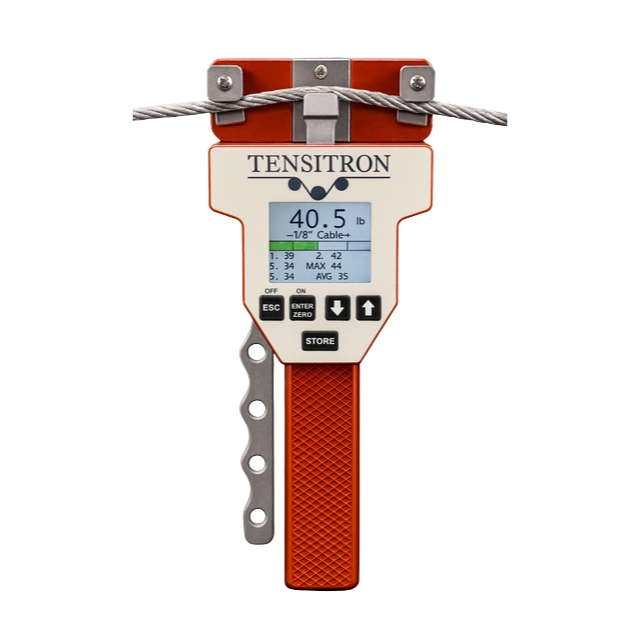
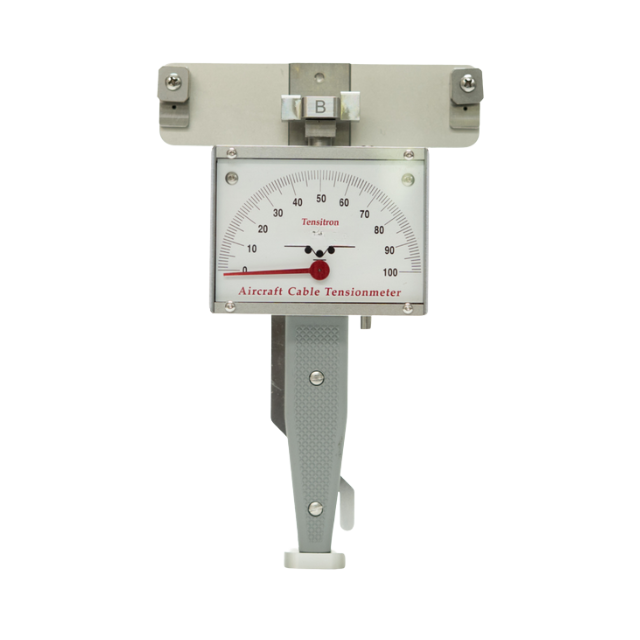
Accurate cable rigging depends on obtaining consistent measurements. Aircraft cable tension meters are commonly used to:

  • • Verify control cable tension
  • • Improve repeatability
  • • Reduce unnecessary adjustments
  • • Support inspection workflows

Selecting the appropriate tension measurement tool depends on cable access, aircraft configuration, and maintenance requirements.

Case Study

Related Topics

Learn how to measure aircraft cable tension in tight and confined spaces using proper access planning, tool selection, and repeatable measurement techniques to improve inspection consistency and cable verification accuracy.
Complete guide to aircraft control cable tension measurement including rigging procedures, temperature correction, FAA guidance, and tension verification methods.
Accurate aircraft cable tension measurement for aviation maintenance, inspection, manufacturing, and cable verification applications.