Metal Hardness Testing Made Easy

Portable elemental analysis

Measuring Cable Tension in Tight / Confined Spaces

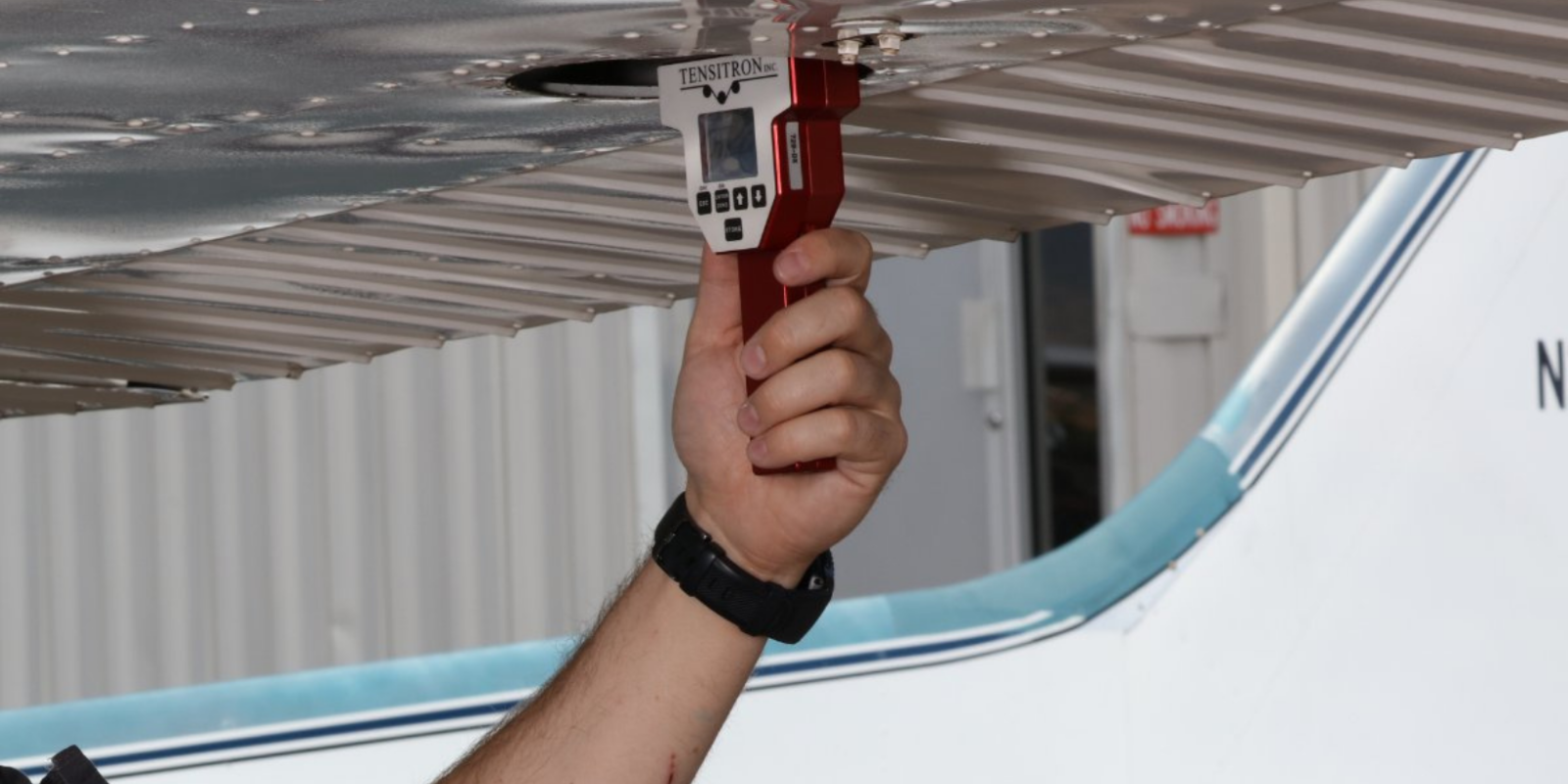
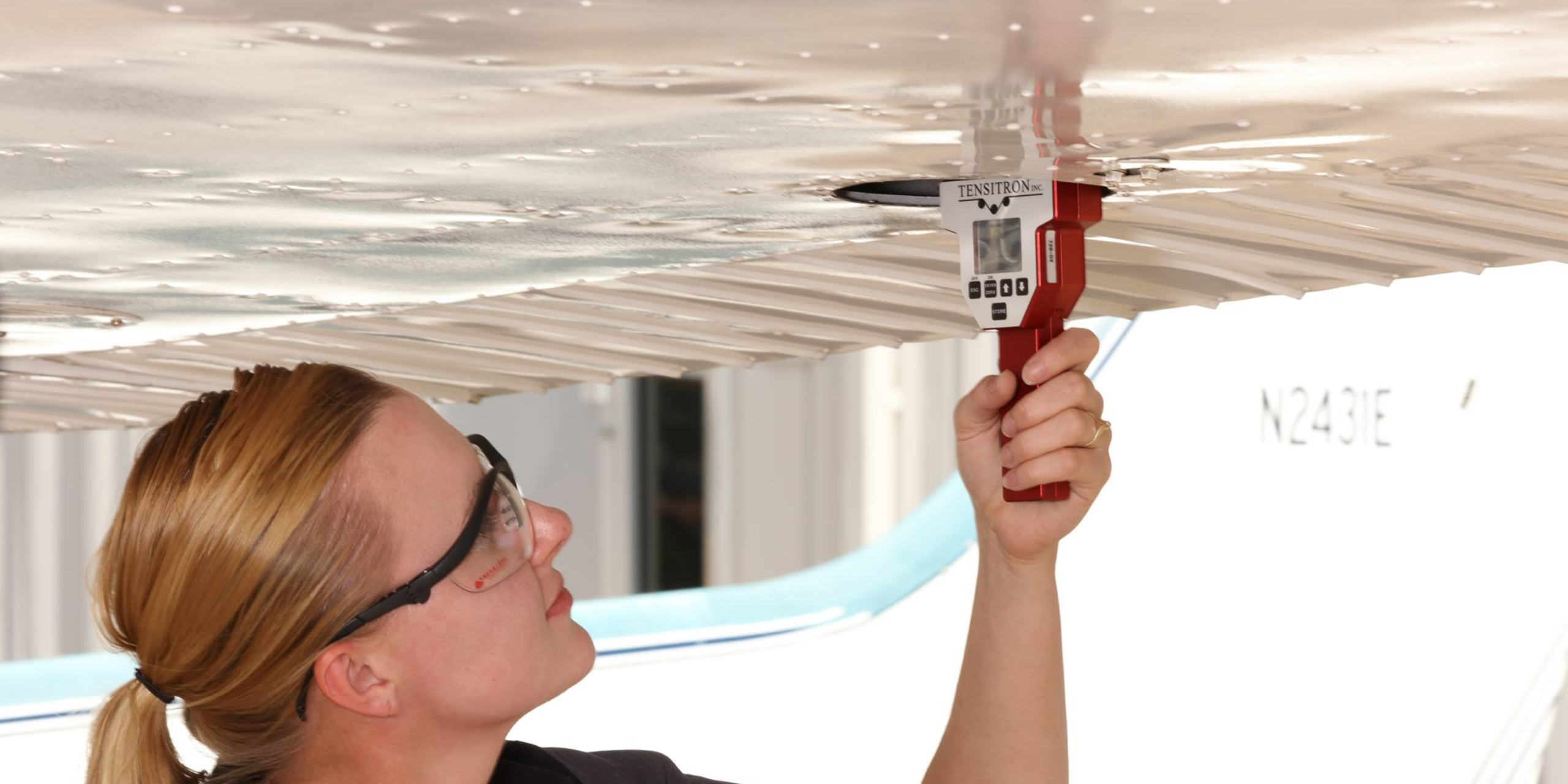
Aircraft cable tension measurements are not always performed in open and accessible areas. Maintenance personnel often work behind panels, near structural members, inside control compartments, and in locations with restricted visibility and limited clearance.

IMAGE PLACEHOLDER

Aircraft technician measuring cable tension in confined aircraft access area

Why Tight Access Conditions Matter

Aircraft control cable systems are designed around routing constraints, structural clearances, and control geometry.

Instrument positioning
Reading consistency
Technician visibility
Repeatability
Access to approved measurement locations
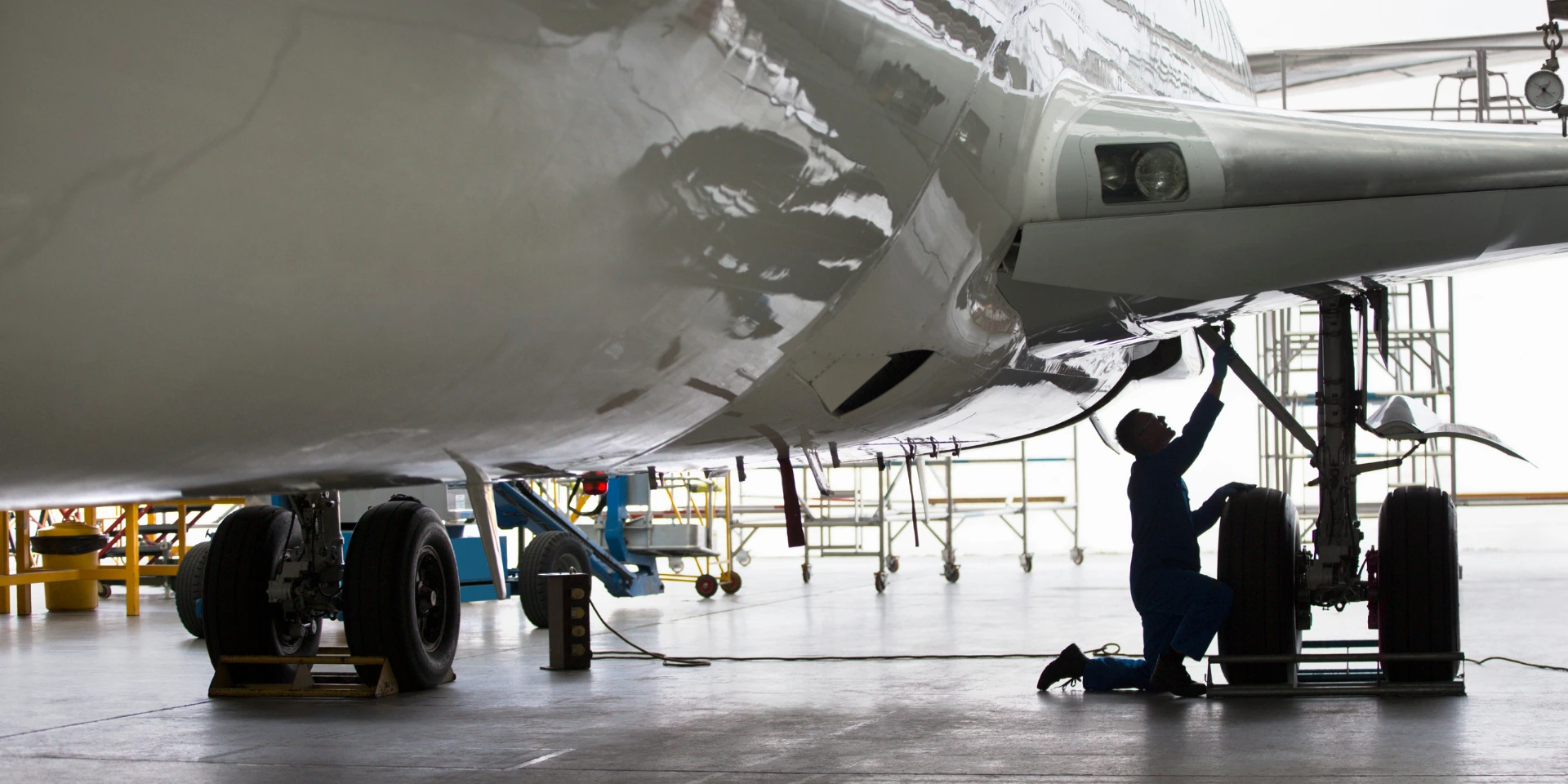
IMAGE PLACEHOLDER

Close-up of aircraft cable routing and limited working clearance

Access Limitations

Restricted panel openings
Nearby structure interference
Tight routing geometry
Reduced viewing angle

Selecting the Right Tool

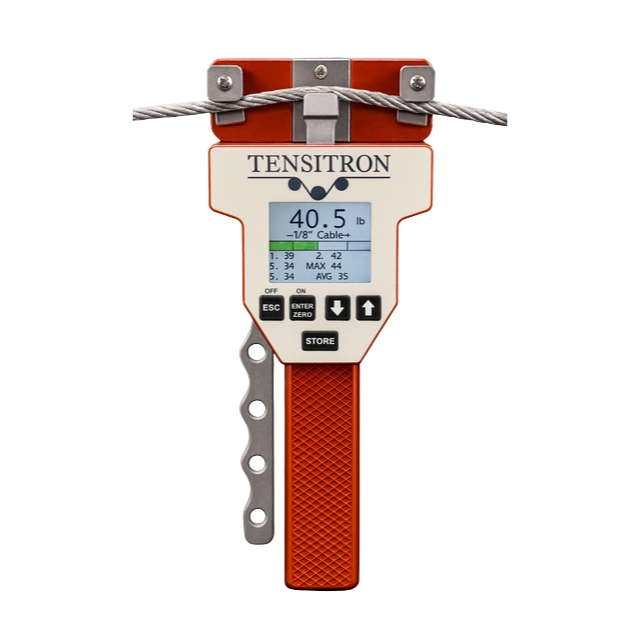
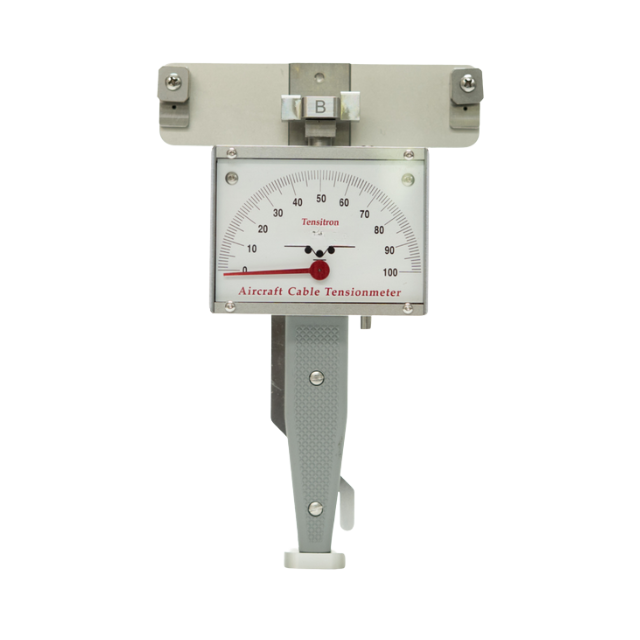
When evaluating a cable tension meter for restricted spaces:

Instrument size
Ease of placement
Reading visibility
Repeatable positioning
IMAGE PLACEHOLDER

Aircraft cable tension meter positioned in restricted access location

Practical Workflow

STEP 1
Prepare access area
STEP 2
Position meter
STEP 3
Verify placement
STEP 4
Record reading
STEP 5
Compare specs

Related Topics

Learn how FAA AC 43.13-1B supports aircraft cable rigging through inspection, cable tension verification, adjustment procedures, and maintenance documentation practices for consistent and repeatable aircraft control system measurements.
Complete guide to aircraft control cable tension measurement including rigging procedures, temperature correction, FAA guidance, and tension verification methods.